
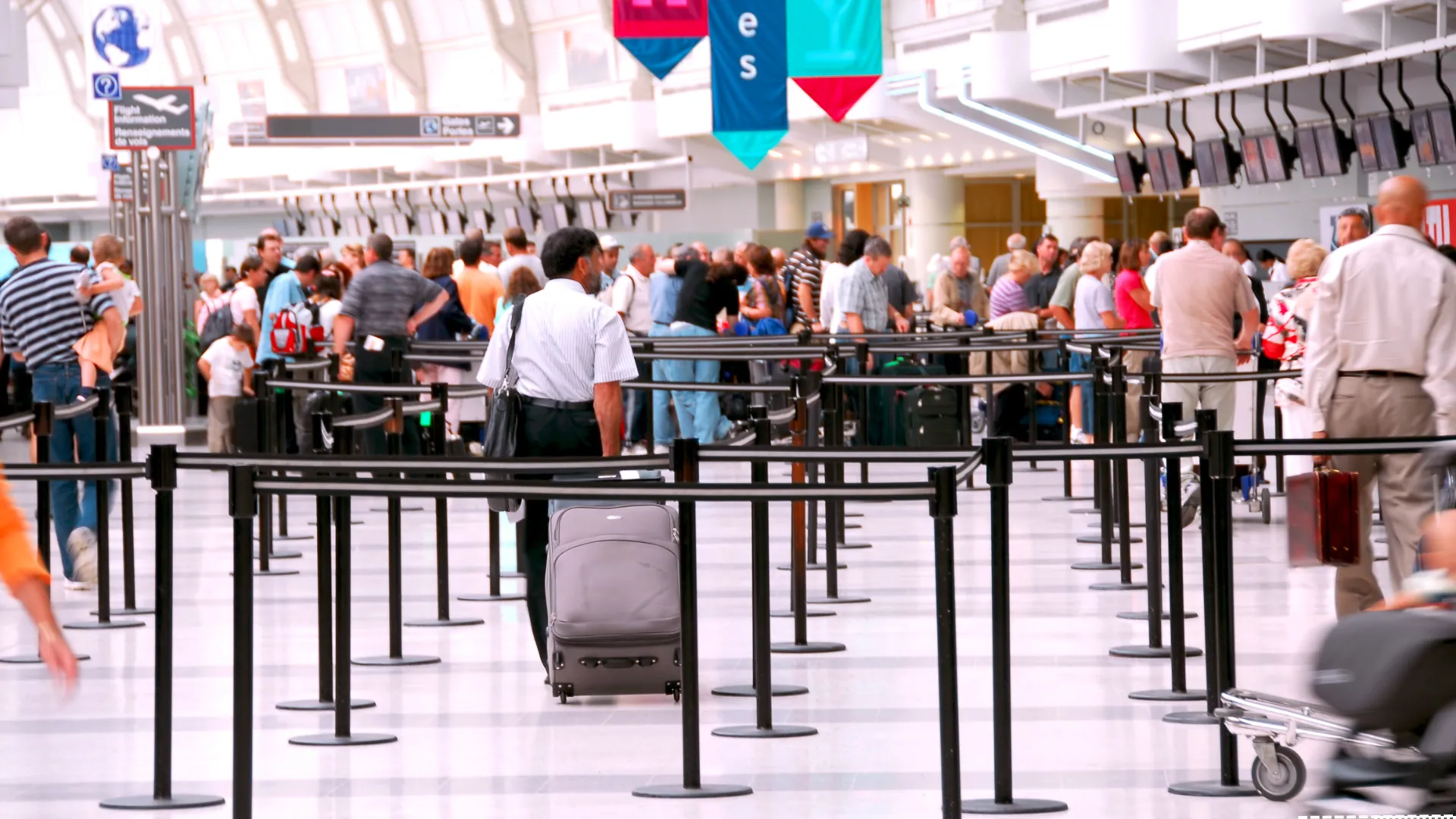
The largest airport in the United States is a topic many travelers search when comparing major American airports, aviation hubs, and land area rankings. Although some airports handle more passengers, the biggest airport in the US by size is measured by total acreage, runway space, and infrastructure layout. Understanding which airport covers the most land helps clarify the difference between the largest airport, the busiest airport in the US, and how US airport rankings are defined.
Denver International Airport is the largest airport in the United States by total land area. It covers more than 33,500 acres, which makes it the biggest airport in the US and one of the largest in the world. Located in Denver, Colorado, the airport was designed with a massive footprint to support long term growth, multiple runways, and future aviation projects. Its large land area allows efficient aircraft movement, spacious terminal expansion, and the ability to handle increasing passenger demand without congestion.
What Makes an Airport the Largest?
When discussing the largest airport in the United States, it is important to understand how size is measured. An airport can be considered the largest airport based on total land area, which includes runways, terminals, maintenance zones, and expansion space. This is why Denver International Airport ranks as the biggest airport in the US by acreage.
However, the busiest airport in the US is measured very differently. Busiest refers to passenger traffic, not land size. Airports like Hartsfield Jackson Atlanta International Airport handle far more passengers even though they sit on much smaller land areas.
Overall, US airport rankings are evaluated using multiple factors such as acreage, number of runways, terminal capacity, aircraft movements, and annual passenger volume. This is why the largest airport is not always the busiest one, since each ranking focuses on different aviation statistics.
Overview of Denver International Airport
Denver International Airport, often called DIA, holds the title of the largest airport in the United States due to its extraordinary land area and long term master planning. The airport covers more than 33,500 acres, which is approximately 52 square miles, making it larger than many major cities. This scale gives DIA a unique position among American airports, since most other aviation hubs operate on far smaller footprints.
The airport was intentionally designed with a huge land reserve to support future development without facing space limitations. DIA currently operates six runways, each placed far apart to allow simultaneous aircraft movements, reduced congestion, and safer operations. The generous spacing is possible because of the airport’s vast land area, something very few airports in the country can replicate.
In addition to runways, the airport’s acreage includes zones for terminal expansion, cargo facilities, maintenance areas, and planned future projects. Denver planners envisioned an airport that could grow for decades, which is why the master plan allows for up to twelve runways in the future if needed.
DIA is consistently listed as the biggest airport in the US not only because of its current land size but also because of its strategic design that prioritizes efficiency, growth, and long term aviation capacity. This expansive layout helps Denver handle rising passenger numbers while avoiding the crowding issues seen at many other large US airports.
Largest Airports in the US by Size
Several major American airports cover vast areas of land, but each varies in layout, infrastructure, and long term expansion plans. Here is a comparison of some of the largest airports in the United States ranked by total acreage.
1. Denver International Airport (DIA)
Largest in the country
Denver International Airport is the largest airport in the United States with more than 33,500 acres of land. Its layout includes six widely spaced runways, multiple concourses, and a master plan that allows growth for decades. The enormous acreage gives DIA unmatched room for expansion, efficient aircraft circulation, and future infrastructure development.
2. Dallas Fort Worth International Airport
Large operational footprint
Dallas Fort Worth International Airport is one of the biggest aviation hubs in the country with around 17,200 acres of land. Its strategic location between Dallas and Fort Worth helps it serve millions of passengers yearly. The airport has five terminals, seven runways, and a well planned internal transportation system that matches its large footprint.
3. Orlando International Airport
Acreage and expansion details
Orlando International Airport spans approximately 13,300 acres, placing it among the largest airports by land area. The airport continues to expand, supported by recent terminal developments and new facilities to accommodate strong tourism traffic. Its acreage allows Orlando to keep growing without the limitations faced by many other airports.
4. Washington Dulles International Airport
Notable land size and aviation importance
Washington Dulles International Airport covers about 13,000 acres. Its wide land area supports long runways, major domestic and international routes, and a distinctive midfield terminal system. Dulles serves as a key gateway for the Washington region and remains a vital part of national aviation infrastructure.
5. George Bush Intercontinental Airport
Comparison with other large US airports
George Bush Intercontinental Airport in Houston spans roughly 10,000 acres, making it one of the largest American airports by total land size. With five terminals and multiple long runways, it handles significant passenger and cargo volumes. Although smaller than Denver or DFW, it remains one of the most influential and spacious airports in the southern United States.
Largest Airport in the United States vs Busiest Airport
The largest airport in the United States refers to the airport with the most land area, not the one with the most passengers. This is why Denver International Airport ranks as the biggest airport in the US by acreage. Even though it is not the top airport for total travelers.
The busiest airport in the US is measured using passenger traffic rankings, which focus on how many people travel through an airport each year. Based on recent aviation statistics United States, Hartsfield Jackson Atlanta International Airport consistently holds the number one position for total annual passengers. Despite its massive passenger numbers, Atlanta covers far less land than Denver.
These two rankings serve different purposes. Land area shows physical size, runway layout, and growth potential. Passenger traffic reflects demand, airline routes, and overall airport activity. Understanding both metrics helps clarify why the largest airport is not always the busiest airport in the US, since each category measures a different aspect of how American airports operate.
Why Denver Airport Is So Large?
Denver International Airport is the largest airport in the United States because it was intentionally designed to support long term aviation growth. When planners selected the site, they chose a vast area of open land outside the city where expansion would never be restricted by neighborhood development or crowded urban infrastructure. This decision allowed Denver to build an airport with far more acreage than any other major American airport.
Historical planning played a key role. DIA was created to replace the old Stapleton Airport, which had limited runway spacing and no room for future growth. The new location offered enough land to construct widely separated runways that improve safety and reduce delays. The master plan also included zones reserved for future terminals, additional concourses, and long term commercial development.
Another reason Denver Airport is so large is the available land in Colorado. The region around the airport provides open space that supports future expansion without the challenges faced by airports located near dense populations. DIA still has unused land that could accommodate extra runways, cargo facilities, and airport related businesses in the coming decades. This combination of strategic planning and abundant land is why Denver remains the biggest airport in the US by acreage.
FAQs
Denver International Airport covers the most land of any airport in the country with more than 33,500 acres, making it the largest airport in the United States by size.
The largest US airport by acreage is Denver International Airport, which spans about 52 square miles, giving it a much larger footprint than other major American airports.
Yes, Denver International Airport is officially the biggest airport in America when measured by total land area. No other airport in the country comes close to its size.
The top five largest airports in the US by land area are:
Denver International Airport
Dallas Fort Worth International Airport
Orlando International Airport
Washington Dulles International Airport
George Bush Intercontinental Airport
Denver International Airport has the most square miles of any airport in the country. At roughly 52 square miles, it far exceeds the size of most global aviation hubs.
The state with the largest airport in America is Colorado, home to Denver International Airport.
No, the largest airport in the United States is not the busiest. Denver is the largest by land area, while Hartsfield Jackson Atlanta International Airport ranks first in passenger traffic rankings based on recent aviation statistics United States.
Conclusion
The largest airport in the United States is Denver International Airport, which stands out because of long term planning. Understanding how airports are ranked helps clarify the difference between land size, operational capacity, and traveler volume. While some airports handle more passengers, others lead in acreage or runway layout. Showing that US airport rankings vary depending on what is being measured. Exploring how American airports are designed, expanded, and managed offers valuable insight into the future of aviation and how major transportation hubs continue to evolve across the country.