
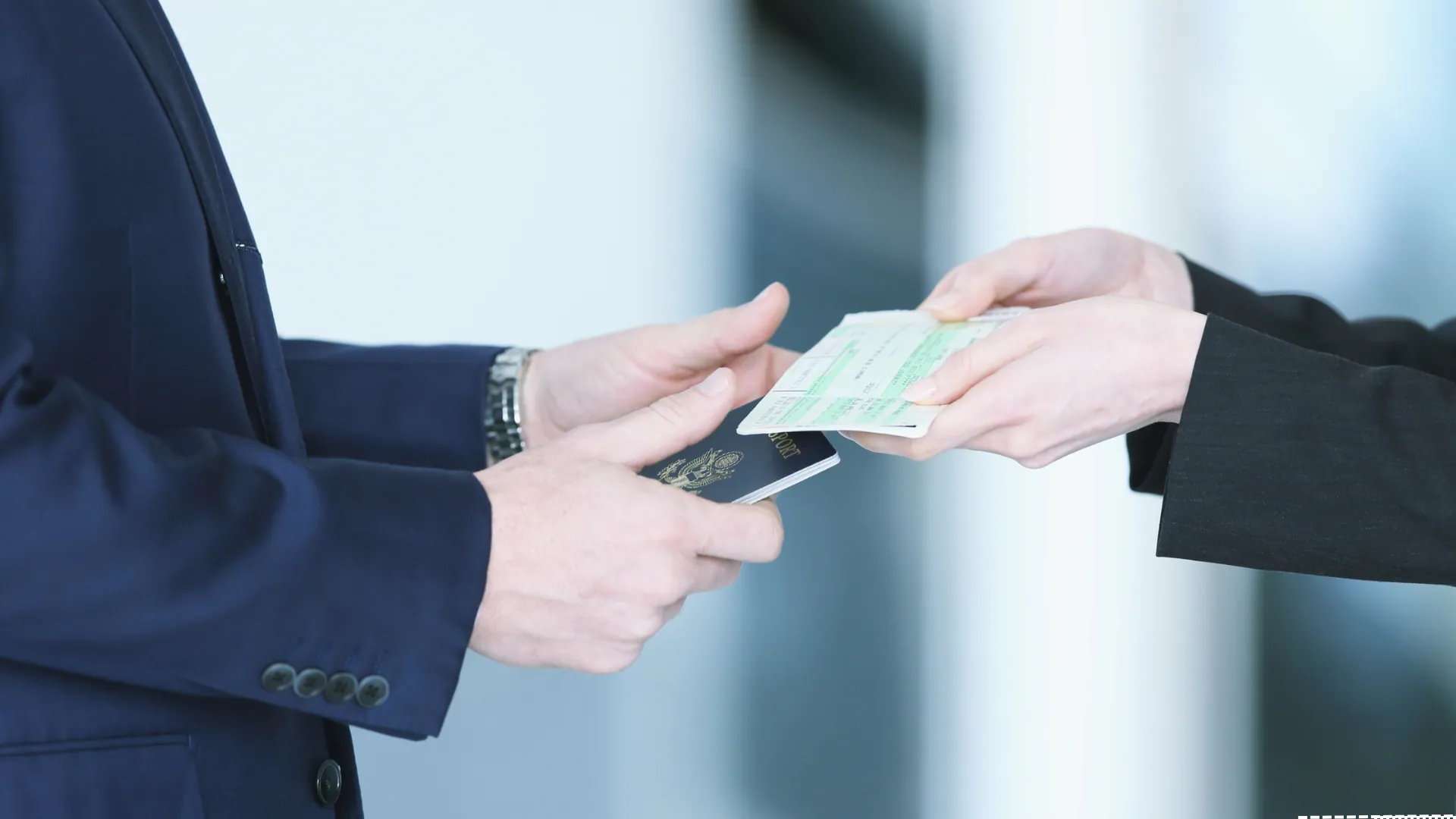
Connecting at Heathrow on separate tickets can be confusing because the rules change depending on your baggage, your boarding pass, and the route you take through the airport. In most cases you do not need to go through passport control at Heathrow if you are carry on only, already have your connecting flight boarding pass, and follow the purple Flight Connections signs. Heathrow allows many passengers to remain airside during connections, even when the flights are booked separately. You will only face UK border control if you must collect checked luggage, cannot get your next boarding pass, or accidentally exit toward the immigration area. This is why travelers often get mixed information about Heathrow connections, Fast Track, and transit requirements.
Understanding Separate Tickets at Heathrow
Connecting at Heathrow on separate tickets works differently from a standard through ticket, which is why travelers often receive conflicting advice. Heathrow can treat you as a normal connecting passenger, but only when certain conditions are met. The key factors are your baggage, your boarding pass, and whether you can stay inside the Flight Connections route without entering UK passport control.
Why Separate Tickets Create Extra Steps
When two flights are booked separately, the airlines are not responsible for delays or missed connections. Heathrow treats you as two separate journeys unless your situation fits the airside connections criteria.
You must already have a digital boarding pass for your next flight. Without it, some airlines require you to go landside to check in, which forces you through passport control before re-entering security.
Checked luggage cannot be transferred between separate tickets. If you have checked bags, you must collect them at Heathrow, which automatically requires you to clear UK border control before continuing to your next terminal.
When Heathrow Treats You as a True Connecting Passenger
If you travel with carry on only, you can avoid collecting luggage and remain airside, which allows Heathrow to process you like a normal transit passenger.
A valid digital boarding pass for the onward flight lets you stay in the Flight Connections stream without leaving the airport secure area.
Following the purple Flight Connections signs keeps you airside. You take the inter terminal bus, pass through security, and continue directly to your departure gate without going through UK border control.
Do You Need Passport Control at Heathrow
Whether you need to clear passport control at Heathrow depends entirely on your baggage and your ability to stay within the airside connections route. Heathrow allows many passengers on separate tickets to remain airside and avoid UK border control, but only when you meet specific conditions. Understanding these rules helps you avoid unnecessary delays and makes your connection smoother.
You Do Not Need Passport Control If
You are carry on only. Traveling with carry-on only means you do not need to collect luggage at Heathrow, so you can stay inside the secure area and avoid UK immigration.
You can get your BA boarding pass online. A digital boarding pass from British Airways lets you enter the Flight Connections path without leaving the airport. This is the biggest factor that determines whether you stay airside.
You follow the Flight Connections signs. The purple Flight Connections signs guide you directly to the inter terminal bus and back through security. As long as you follow these signs, you bypass border control completely.
You remain airside the entire time. If you never exit to the public arrivals zone, you do not approach UK passport control. Staying airside makes the connection process much quicker.
You Must Go Through Passport Control If
You need to pick up checked luggage. Collecting checked bags forces you into the arrivals hall, which means passing through UK passport control before continuing to your next terminal.
You cannot get your BA boarding pass. If digital check in fails and BA requires an in person check in desk, you must go landside, which automatically sends you through border control.
BA refuses to issue a boarding pass airside. Occasionally the airside Flight Connections desk cannot issue a boarding pass, especially for separate tickets. When this happens, you must exit to landside to complete check in.
You choose to leave the airport or take a taxi. Any time you exit toward the public area, even for a short transfer, you must clear UK immigration.
You miss your flight and need to rebook at the desk. Rebooking usually takes place at the landside customer service counters. Leaving airside requires passing through passport control.
How the Terminal 3 to Terminal 5 Transfer Works
Moving from Terminal 3 to Terminal 5 at Heathrow is straightforward once you stay in the Flight Connections stream. The entire route is designed to keep transferring passengers airside, so you avoid entering the UK and avoid passport control. The process involves following the purple signs, taking the inter terminal bus, and completing a quick security check before entering Terminal 5.
Follow the Purple Flight Connections Signs
No need to enter the UK. As long as you follow the purple Flight Connections signs, you stay airside and bypass UK border control. This applies even when flights are on separate tickets, provided you already have your boarding pass.
How the bus transfer works. After reaching the Flight Connections area, you board the dedicated bus that runs behind the scenes through Heathrow’s secure zones. The ride is short and drops you inside Terminal 5 without passing through arrivals.
What documents they check. Staff usually check your boarding pass and sometimes ask for your passport to confirm your next flight. This is not border control. It is a simple identity and boarding check to confirm that you are a genuine connecting passenger.
What to do if you cannot find the purple route. Heathrow has many walking paths, so if you get confused, ask any airport staff member. If you accidentally walk toward the public arrivals exit, turn back immediately. Once you enter the arrivals hall, you cannot return to the airside connections area without clearing passport control.
Security Screening
You always go through security again. All connecting passengers go through security screening when entering Terminal 5. This is required even if you arrived from a secure international flight.
Liquid bag rules. Your liquids must fit into a one liter clear plastic bag. If you forget, there are usually free bags and staff who will help you repack before the scanner.
Why some passengers think there is passport control. The automated gates and ID checks inside the connections area can feel similar to passport control, but they are not run by UK immigration. They only verify your identity and boarding pass before you go through security.
Typical Time Needed
Average 40 to 60 minutes. Most passengers take about forty minutes to one hour to move from Terminal 3 to Terminal 5 when staying airside and using the Flight Connections route.
Peak travel times. During busy morning arrivals or summer travel, the transfer can take longer because of queues at security and bus wait times. Allow extra buffer if you are connecting during these peak periods.
Why T5 feels busier than T3. Terminal 5 handles a larger volume of British Airways international departures, which makes security and gate areas feel more crowded. This is normal and not a sign that you are doing something wrong.
ETA Requirement for Transit
The rules for the UK ETA can be confusing, especially for passengers connecting at Heathrow on separate tickets. Whether you need an ETA depends entirely on whether you stay airside. Heathrow allows many connecting passengers to move between terminals without entering the UK, so they do not need an ETA at all. However, having one can still be useful as a backup if something goes wrong with your connection.
When You Do Not Need an ETA
Staying airside. If you remain in the secure area and do not pass through UK passport control, you do not need a UK ETA. This applies to most international to international connections.
Using Flight Connections route. Passengers who follow the purple Flight Connections signs can transfer between terminals without entering the UK. This route keeps you airside and avoids border control, so no ETA is required.
When You Should Get an ETA Anyway
Your flights are separate. Separate tickets mean the airlines will not protect your connection. If something goes wrong, you may need to exit to landside to recheck or rebook. Having an ETA gives you permission to enter the UK if needed.
Protection in case of delays or missed connection. If your first flight is delayed and you miss the second one, you may be forced to leave airside to sort out new flights or stay overnight. An ETA makes this simple and avoids unexpected issues at immigration.
Overnight stay scenarios. If you get stuck overnight or need an airport hotel, you must enter the UK. The ETA allows you to leave the airport legally and return for your onward flight the next day.
Getting Your BA Boarding Pass
Your ability to stay airside at Heathrow depends heavily on having your British Airways boarding pass before you arrive. If you already have it on your phone, the airport treats you like a normal connecting passenger, even on separate tickets. If you cannot get it online, you may be sent to the landside check in area, which requires passport control.
Online Check In
Use the BA app. The easiest option is to check in through the British Airways app and download your digital boarding pass before you land at Heathrow. This allows you to move straight into the Flight Connections path without stopping at any desk.
Why this avoids passport control. A valid BA boarding pass lets you enter the airside connections stream. Staff only need to scan your pass and confirm your onward flight, so you do not need to exit toward UK immigration or recheck anything. This is the main reason carry on only passengers can stay airside even on separate tickets.
If Online Check In Fails
Using the BA desk within the airside connections area. If the BA app does not generate your boarding pass, you can still try the British Airways counters located inside the Flight Connections zone. Many passengers are able to get their onward pass here without going landside.
When you may be forced landside. If the airside desk cannot issue your boarding pass, or if BA requires additional verification that must be done at a landside check in counter, you will be directed out of the secure area. This means passing UK passport control, entering the arrivals hall, and then going to the public check in area before re entering security.
Common Misunderstandings Explained
Many travelers get confused about what actually happens during a Heathrow connection, especially when they hear conflicting information about passport control, UK immigration rules, and Schengen entry requirements. Most of the confusion comes from mixing up security checkpoints with border checks and not understanding how Heathrow handles international to international transfers.
Passport Control vs Security
Why people confuse the two. Heathrow has several ID and boarding pass checks inside the Flight Connections area, and these often look similar to immigration checkpoints. This causes travelers to think they went through passport control when they actually did not.
Automated gates that look like border control checkpoints. Some parts of the connections process use automated scanners that require you to scan your passport or show your boarding pass. These are operated by airport staff, not UK border officers. They verify that you have a confirmed onward flight, but they do not process you into the UK.
What security actually checks. Security only checks your boarding pass and inspects your bags. They do not stamp passports, they do not ask immigration questions, and they do not process your entry into the United Kingdom. Their job is to ensure your hand luggage meets airport safety rules before you continue to your next gate.
UK vs Schengen Rules
You do not enter Schengen at Heathrow. The United Kingdom is not part of the Schengen Area. When you land at Heathrow, you are not entering Schengen territory, so you do not go through any Schengen checks there. Heathrow only manages UK entry, and transit passengers bypass UK border control when they stay airside.
You enter Schengen when you arrive in Athens. Your passport will be checked when you land in Athens, because Greece is part of the Schengen Zone. This is where your Schengen entry is officially recorded. Heathrow is only your transit point, so all immigration checks related to Schengen travel happen at your final arrival airport.
Real Traveler Experiences
Travelers often share very different stories about Heathrow because the experience depends heavily on baggage, boarding passes, and whether they follow the correct route. These examples reflect the most common outcomes for passengers connecting on separate tickets.
Passengers Who Stayed Airside Successfully
Carry on only. Passengers with only carry on bags can remain in the secure area, which avoids UK passport control and speeds up the transfer between terminals.
Boarding pass already on phone. Travelers who checked in online through the BA app reported smooth connections. Staff simply scanned their digital boarding pass and guided them into the Flight Connections bus.
Under 40 minutes connection. Multiple travelers completed the entire Terminal 3 to Terminal 5 transfer in less than forty minutes when the airport was quiet. They walked off their first flight, followed the purple signs, cleared security, and arrived at their gate quickly.
Passengers Forced to Enter the UK
No boarding pass. If the BA app would not issue a boarding pass and the airside desk could not help, passengers had to exit to landside. This required going through UK passport control, checking in at the public desk, and then clearing security again.
Checked luggage. Travelers with checked bags were directed to the arrivals hall to pick them up. In these cases, passport control was mandatory before rechecking bags for the next flight.
Wrong line choice. Some passengers accidentally followed the signs toward arrivals instead of Flight Connections. Once they reached the public area, they could not return airside without clearing border control.
Took a taxi by mistake. Passengers who left the terminal to take a taxi between terminals had to enter the UK. Leaving airside automatically triggers a passport control requirement.
Tips to Make Your Connection Smooth
Always get your BA boarding pass at home. Checking in online before you land ensures you can stay airside and use the Flight Connections route.
Prepare for security again. All connecting passengers must complete security in Terminal 5. Keep electronics and liquids ready to speed up the process.
Follow the purple signs only. The purple Flight Connections signs guide you directly to the airside bus and security. Do not follow the exit signs unless you want to enter the UK.
Avoid the exit to immigration. Once you walk toward the arrivals hall, you cannot return to the secure transfer path. Staying within the purple route is essential.
Allow at least two hours buffer. Heathrow is large. Even with carry on only, connections can take longer during peak times. A two hour buffer is safer for separate tickets.
Screenshot both itineraries. Screenshots help staff confirm your onward flight if the airport Wi-Fi is slow or your app does not load immediately.
Keep liquids in a one liter zip bag. Terminal 5 security can be strict about liquid limits. Having everything ready avoids delays.
Conclusion
Separate tickets at Heathrow require good planning, but the process is straightforward once you understand how the airport handles international connections. Carry on only travel makes everything easier because you stay airside and avoid UK passport control completely. Most passengers connecting from Terminal 3 to Terminal 5 never leave the secure area and finish the transfer quickly. By following the purple signs and keeping your boarding pass ready, you can move through Heathrow with confidence and avoid unnecessary delays.